
ADDRESS
- Address:2 Rue Ellice, Beauharnois, QC J6N 1W6, Canada.
- Email: contact@menfitnessnewss.site
- Website: www.menfitnessnewss.site
- Phone: +1 579-284-8256
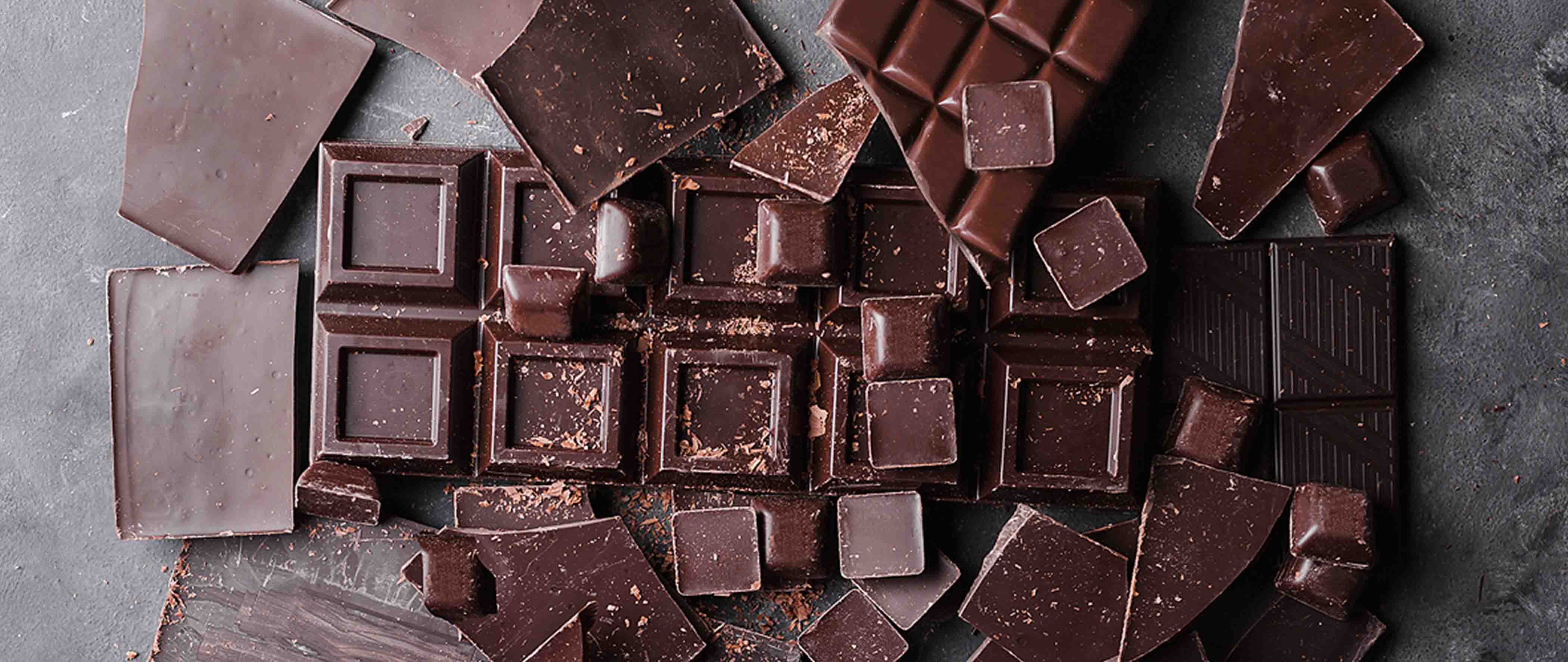
Who doesn’t like a nice piece of chocolate after a satisfying meal? Chocolate especially dark, with at least 70% cacao content—is filled with antioxidants called flavonoids that have been shown to neutralize the free radicals that cause inflammation, chronic disease, and premature aging.
A multitude of studies supporting the health benefits of the sweet treat have been performed over the years, and a new one published in the journal Heart has found another reason to make sure you get a daily dose of chocolate. For the study, researchers pulled data from more than 55,000 people who were enrolled in the Danish Diet, Cancer, and Health Study which provided info on their average weekly chocolate consumption, but not type. It can be inferred that it was mostly milk chocolate, and not dark, as Danish people are known to prefer that type.
The scientists then checked out the heart disease risk factors on the subjects—like diet, lifestyle, and whether or not they smoked—and followed their health over 13.5 years through a national registry. They discovered that those who had 1-3 servings a month (with a serving defined as 1oz) had a 10% lower rate of atrial fibrillation, or heart arrhythmia, than for those who ate less then one serving a month. If they had one weekly serving, that bumped up to 17%, and then to 20% for 2-6 weekly binges. Researchers also found that the correlation had a gender relation—women had a 21% lower risk if they had one weekly serving of chocolate, while men got a 23% reduction if they ate 2-6 weekly servings.
Even though the study authors stated that "despite the fact that most of the chocolate consumed in our sample probably contained relatively low concentrations of the potentially protective ingredients, we still observed a robust statistically significant association,” we suggest you stick with dark chocolate for your after-meal treat. There’s more evidence that eating chocolate with at least 70% cacao content is better for you, and has less sugar, than milk chocolate, which typically only has about 30% cacao.
For the first time, Brian Shaw, the World's Strongest Man, shared a full day of eating ahead of the World's Strongest Man 2017 competition, which begins on May 20. And as you'll see, he makes the average person's entire day of eating look like an afternoon snack. Between big training days, the six-foot-eight, 435-pound athlete eats over 12,000 calories—and yes, he cooks most of it himself.
While he's no professional chef and keeps his diet simple and effective, Shaw says he tries to season food well to make it easier to eat. His nutritionist, Nathan Payton, gives him some freedom, but he ensures that every meal throughout the day has the protein and carbs that Shaw needs to support his intense training.
To start the day right, Shaw downs eight eggs, Cinnamon Toast Crunch, and peanut butter. "One thing that I've learned over the years with eggs is that you don't want to cook them too long," he says. "You want to make sure they're still soft, because in a big quantity, they're easier to eat if they're a little bit softer."
Just about an hour later, Shaw whips up an iSatori whey protein shake with 80g of protein (mixed with water). He tops the meal off with two granola bars and some peanut butter.
Shaw takes pasta with meat sauce to the next level with extremely generous portions of organic, grass-fed ground beef, angel hair pasta, and red sauce. He recommends organic, grass-fed beef (preferably bought directly from the farmer) because he feels it's a lot easier to digest than typical grocery store ground beef.
His second shake consists of 80g of iSatori whey protein mixed with almond milk, frozen organic blueberries, and peanut butter. "This is a nice one for me because I can get it in quick," Shaw explains. He just blends it up and "slams it down."
Dinner is Italian takeout, which Shaw explains is different than what his usual meal would be. "The scenario that we have is that tomorrow is a huge even training day for me, so I'll be putting out a lot of effort for training," Shaw explains. After updating his nutritionist, Nathan Payton, on the previous night's deadlift and the next day's training, Payton recommended he go heavy on the carbs. Typically, meal five would be another pound of beef with potatoes and asparagus. They estimated the calories to be around 3,430.